


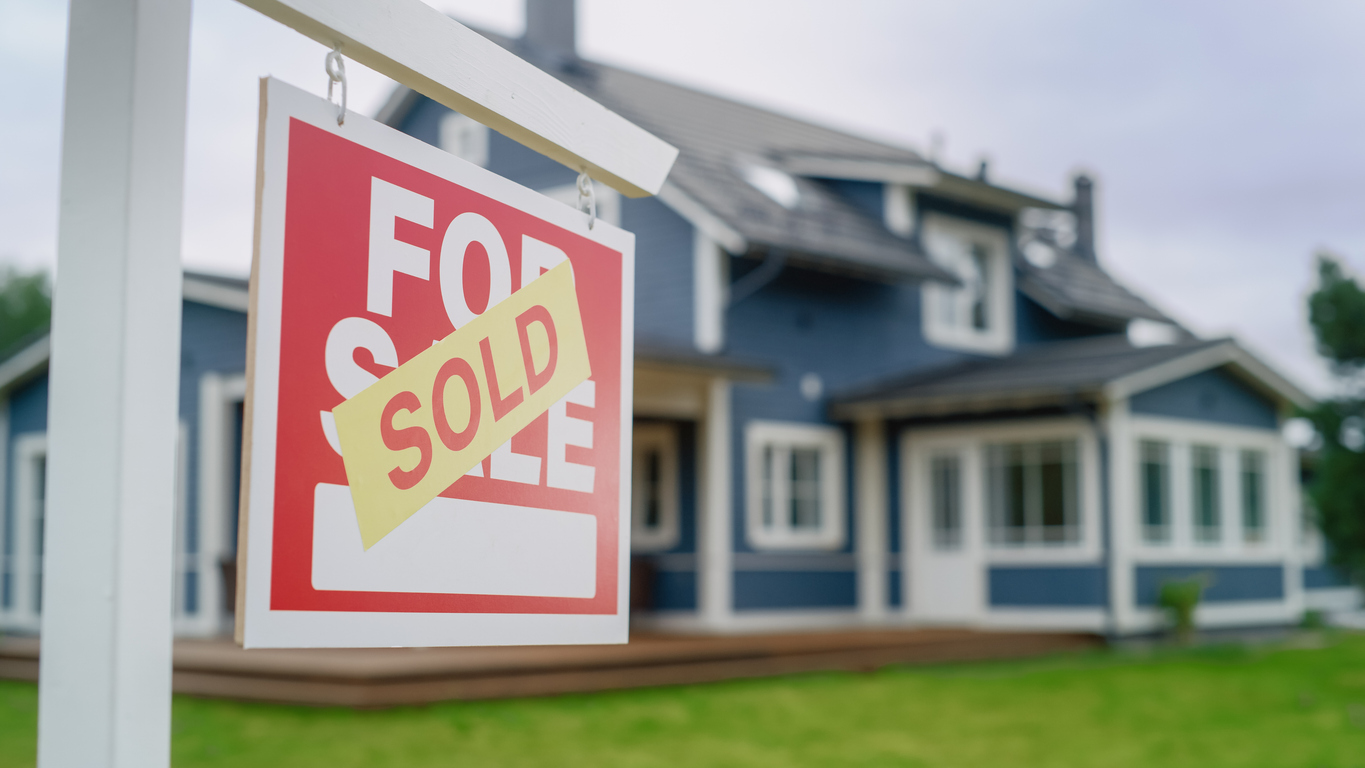
Buying Your First Home? Ask These Pest Questions
Did you know one of the most important types of pest control you can get for your home happens before it’s technically even yours?
No, that isn’t a trick question. We’re talking about a pest inspection for homebuyers, and skipping it could lead to unpleasant surprises after move-in day.
Between home inspections, paperwork, negotiations, and all the excitement of buying your first home, pest control can easily slip under the radar. But a thorough pest inspection helps identify potential problems before they become your responsibility. The results could even play a role in negotiations.
If you’re purchasing your first home, here are a few pest-related questions worth asking before you sign on the dotted line.
Should I Get a Pest Inspection When Buying a House?
In many real estate transactions, a pest inspection is either required or strongly recommended. Even if it’s not mandatory in your area, it’s still a smart step to take.
Some lenders will require buyers to get a Wood Destroying Organisms (WDO) inspection before giving out a loan. These inspections are used to find signs of termites and other pests that could cause structural damage or lead to future infestations. Unlike a general home inspection, which focuses on overall property condition, pest inspections zero in on the hidden places pests love to live, like crawl spaces, attics, wood structures, and areas with excess moisture.
For first-time buyers especially, a professional pest inspection provides peace of mind that you’re not inheriting a problem you didn’t bargain for.
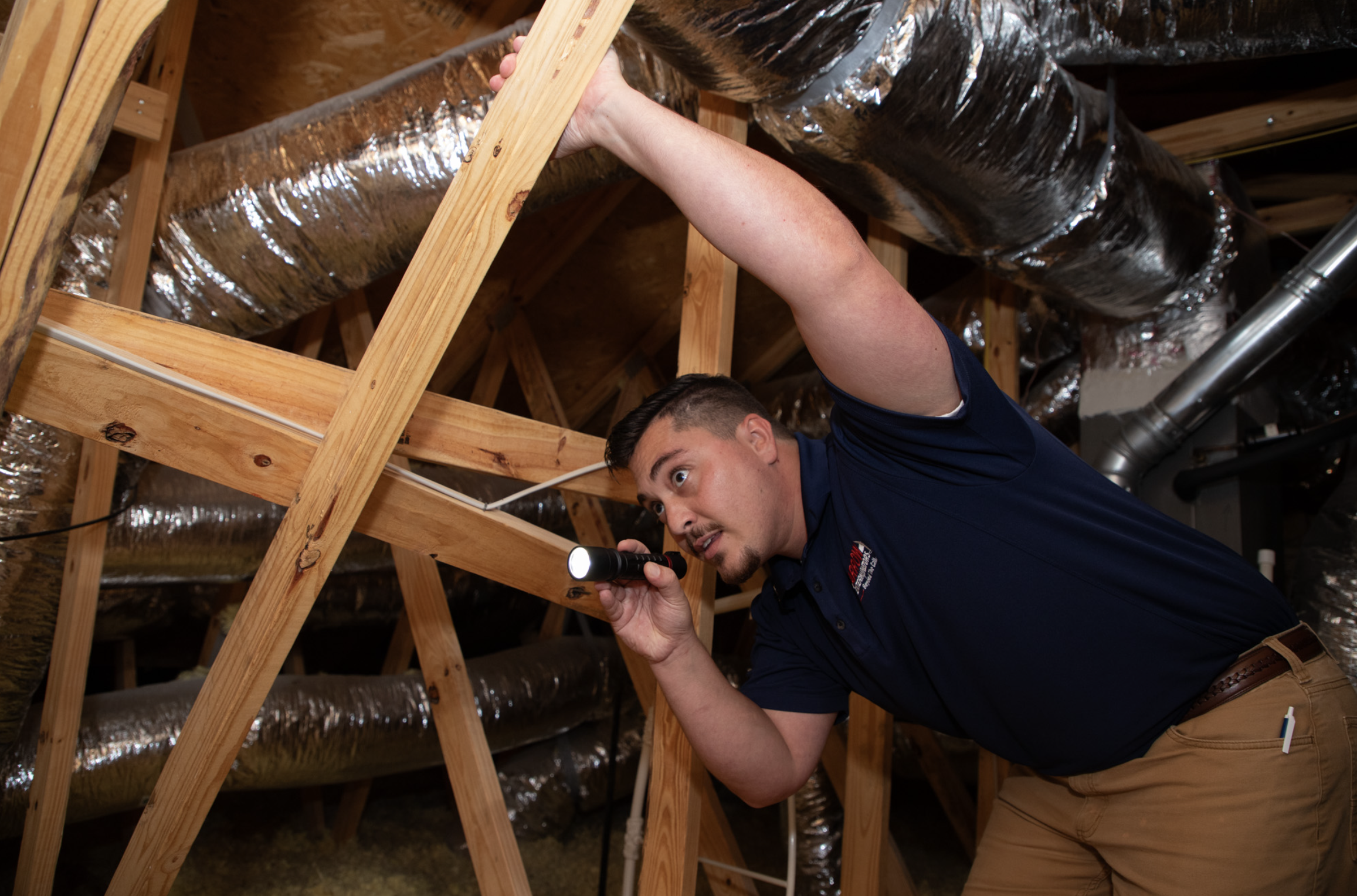 What Should a Pest Inspection Actually Cover?
Not all pest inspections are the same, so it’s helpful to know what a thorough inspection should include.
A comprehensive inspection typically checks for:
- Termites and other wood-destroying pests
- Evidence of rodents or nesting activity
- Moisture issues that attract pests
- Conditions that could lead to future infestations
Inspectors may also look at exterior areas like foundations, siding, decks, and landscaping around the home.
The goal isn’t just to find pests that are currently active. A good inspection also identifies conditions that could invite pests in later so buyers have a chance to address them early.
Can a Pest Problem End a Real Estate Deal?
Sometimes it can. But more often, it becomes part of the negotiation.
Serious pest issues, particularly termite damage, can impact the sale of a home if they call for big repairs or treatment. In those cases, buyers and sellers typically work out how the issue will be handled.
Depending on the situation, the seller may agree to pay for pest treatment, repair the damage, or lower the purchase price.
Understanding how pests impact the sale of a home can help buyers make informed decisions rather than feeling caught off guard by inspection results.
Who Pays for Pest Inspection When Buying a House?
This can vary depending on where you live and the details of the purchase agreement.
In some cases, buyers cover the cost of the inspection as part of their due diligence. Other times, the seller could pay if the inspection is required for the transaction or requested during negotiations.
The important thing is making sure the pest inspection happens. Knowing the condition of the home helps both sides move forward with confidence.
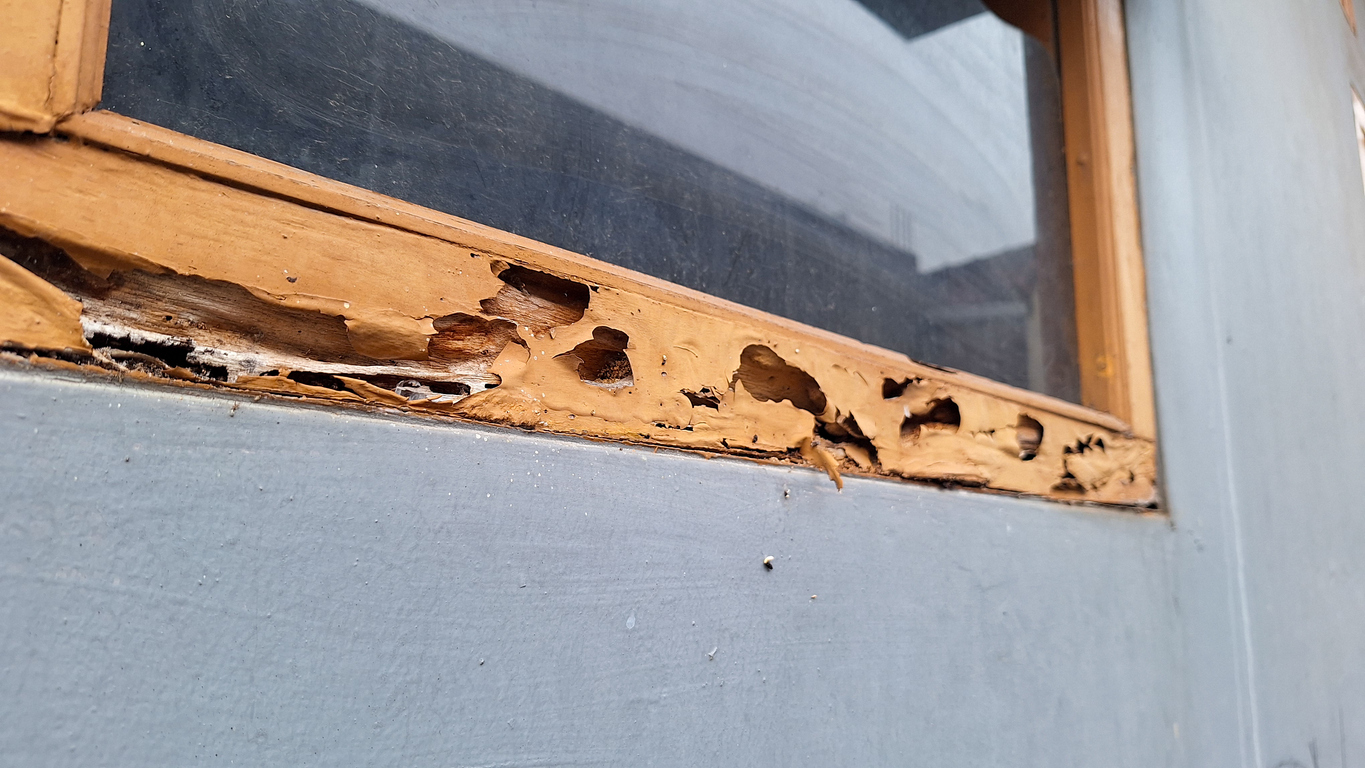 What Happens if the Inspection Finds Pests?
Finding pests during a real estate inspection sounds like a big deal, but it doesn’t necessarily mean you need to start looking for a new home.
Usually, it just means treatment is needed before closing. That’s when it’s time to call in the pros to eliminate active infestations and provide documentation showing the issue has been resolved. Besides, it’s better to know about pests before you’ve unpacked all your moving boxes.
A Smart Step for First-Time Homebuyers
If you’re preparing to buy a home and want guidance on real estate pest inspections, we can help. Our trained professionals can give you peace of mind that the home you’re purchasing is truly ready for move-in day and that all unwanted tenants are kicked out.




 YouTube
 Facebook
 Twitter