

Call to Schedule Service Today!
Mon – Fri: 8:00 AM – 5:00 PM
Drywood termites are social insects that infest dry wood and do not require contact with the soil.
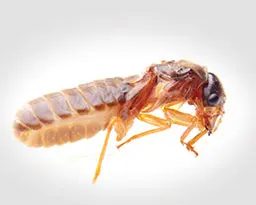
Light brown with narrow, oval-shaped bodies, drywood termites typically shed their veiny wings within minutes of landing, leaving them behind as evidence of an infestation.
Unlike subterranean termite species, drywood termite colonies do not have a worker caste — immature termites do the work before they reach adulthood. Living in colonies of up to 2,700 members, these termites are often capable of causing major damage long before they are discovered. Larger than most other termite species, drywood termite soldiers can be detected by their large mandibles, which are often wider than their head.
Drywood termites can be harmful to your home and foundation of your home. They can carve out support beams and wall studs within our home, which can lead to significant structural damage. Because they do not need moisture to survive, they can often go undetected.
Since drywood termites require zero contact with the ground to build thriving colonies, they do not dig mud tubes like other species of termites. Known for eating against the grain, drywood termites leave behind erratic, smooth galleries that seldom follow the grain of the wood.
Drywood termites typically swarm during the late summer or fall months, from August through November. Swarms of drywood termites will fly to new homes and buildings in search of wood to infest. They have the ability to cause significant structural damage within months of colonization. Drywood termites also create “kick-out” holes to push their excrement through the wood — leaving behind mounds that resemble sawdust or fine grains of sand.
Making sure firewood and scrap wood is stored at least 20 feet from homes and structures. Because drywood termites form new colonies by gaining access to wood through small holes, seal all cracks and crevices in a structure.
For proven-effective termite prevention, experts recommend Sentricon. This trusted termite baiting system provides the most advanced termite protection in the world. Learn more here.
A mature termite infestation includes swarms of winged male and female termites (particularly in warm, rainy weather), which reproduce and fly off to create new colonies. Other signs include mounds of their distinctive, sand-like fecal pellets known as frass, which can indicate an active termite colony.
Mon – Fri: 8:00 AM – 5:00 PM
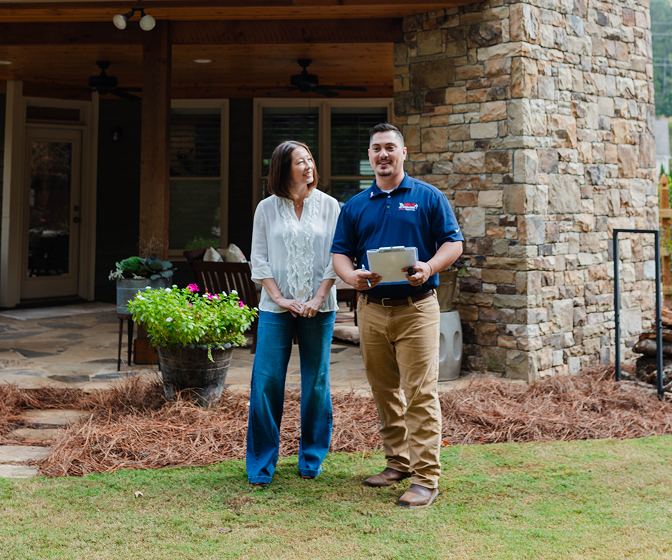
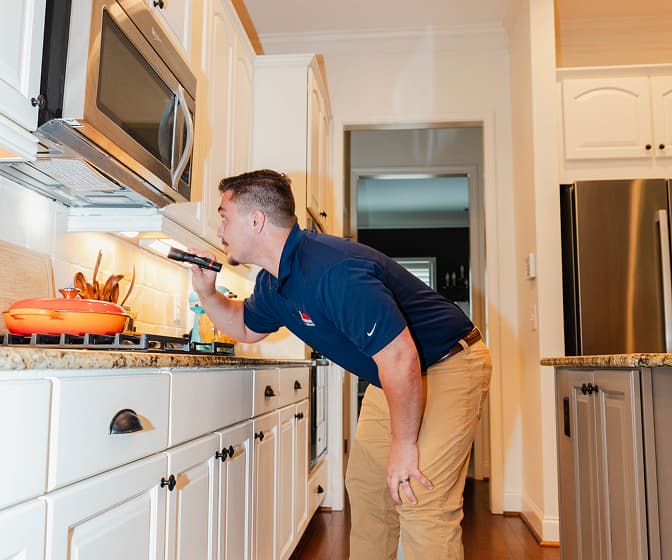
Don’t share your home with pests! Schedule a free inspection with a Hughes Exterminators professional.
Get a Hughes Exterminators professional at your door quickly by locating a service center near you.